care@kuremara.com.au
 1300 000 799
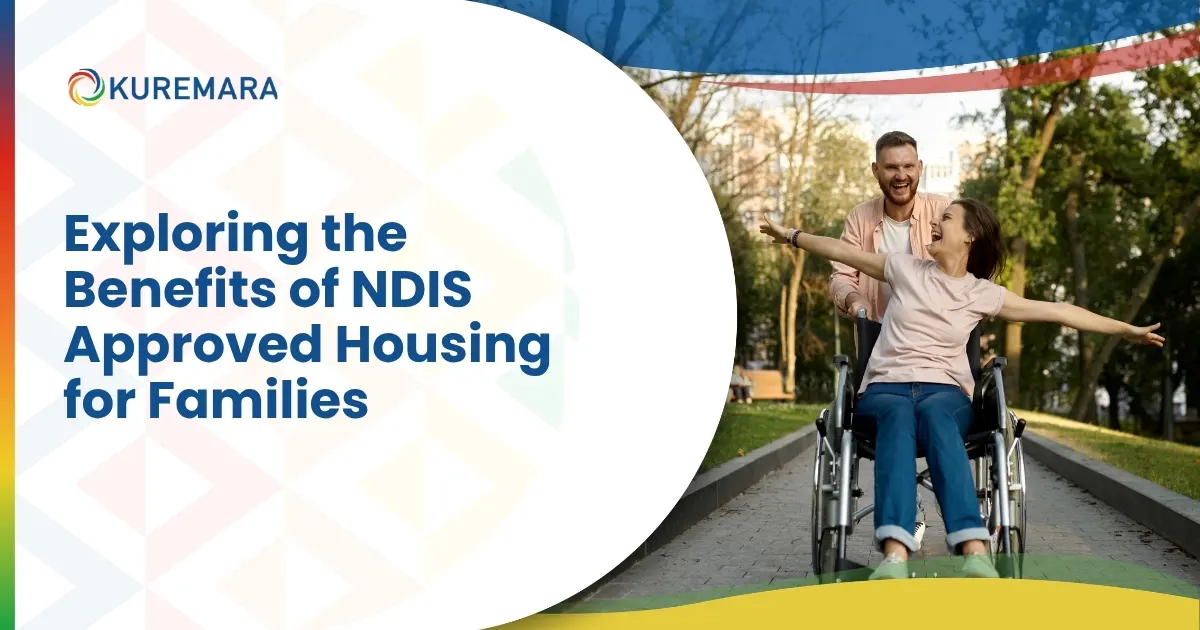
For families supporting a loved one with disability, finding a home that truly works for everyone can feel overwhelming. The right living arrangement should do more than provide shelter it should foster independence, dignity, and connection. This is exactly what NDIS-approved housing is designed to achieve.
Across Australia, more families are turning to NDIS housing options as a way to give their loved ones a place that feels genuinely their own, while also easing the day-to-day pressures of caregiving. In this blog, we’ll explore what NDIS-approved housing involves, the benefits it brings to families, and how trusted providers like Kuremara help participants and their families navigate the journey with confidence.
What Is NDIS-Approved Housing?
NDIS-approved housing refers to homes that meet the standards set by the National Disability Insurance Scheme to support people living with disability. These properties are purpose-built or thoughtfully modified to suit specific accessibility needs from wheelchair-friendly layouts and assistive technology integration to sensory-friendly design choices.
Such homes are often linked to two key NDIS supports:
- Specialist Disability Accommodation (SDA): Housing designed for participants with extreme functional impairment or very high support needs.
- Supported Independent Living (SIL): Funding that covers the day-to-day support services needed to live in the home, including help with personal care, cooking, and life skills.
Together, these supports create a complete picture a safe, accessible place to live combined with the right help to make everyday life easier and more meaningful.
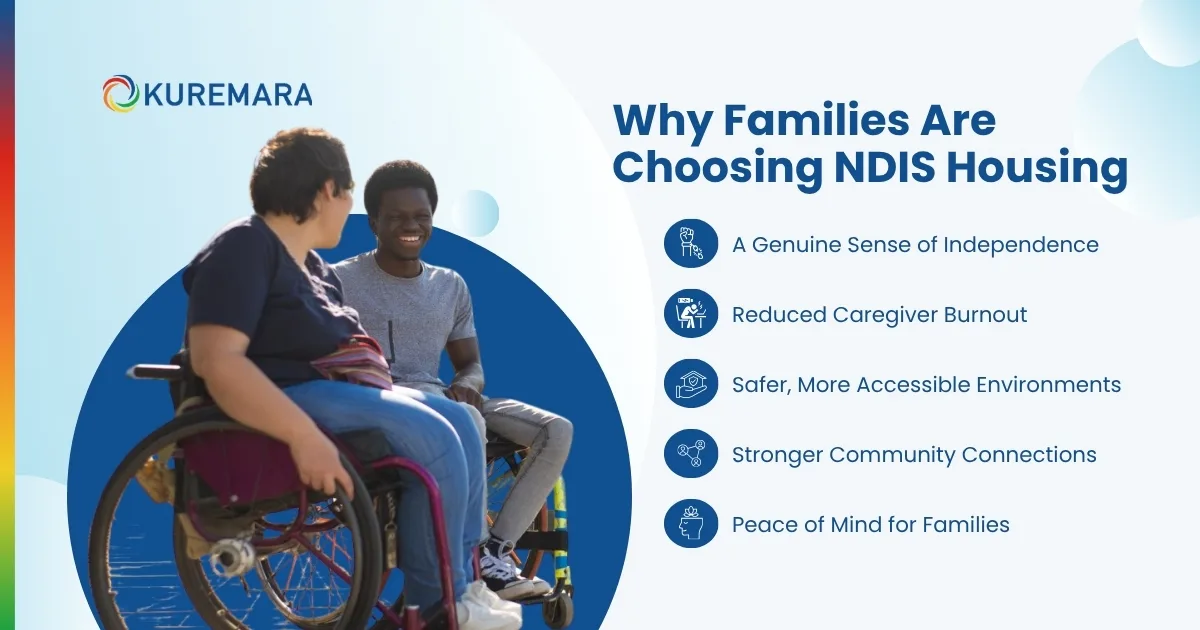
Why Families Are Choosing NDIS Housing
When a family member has unique support needs, the entire household is shaped around them. Choosing the right housing isn’t just about the participant; it’s about giving the whole family a better balance, more freedom, and a stronger sense of stability.
Here are some of the most meaningful benefits families experience:
1. A Genuine Sense of Independence
One of the most rewarding outcomes of moving into NDIS-approved accommodation is the independence it offers participants. Living in a home tailored to their needs allows them to shape their daily routine, manage personal tasks with appropriate support, and grow in confidence. For many families, watching their loved one flourish in their own space is a deeply moving experience.
2. Reduced Caregiver Burnout
Caring for a family member full-time is a meaningful role, but it can also be exhausting. NDIS SIL housing introduces trained support workers who assist with cooking, personal care, household tasks, and community participation. This shared responsibility allows parents, siblings, and other relatives to rest, recharge, and reconnect strengthening relationships rather than straining them.
3. Safer, More Accessible Environments
Homes that meet NDIS housing requirements are built with safety and accessibility front of mind. Common design features include:
-
-
- Wider doorways and step-free entries
-
-
-
- Reinforced walls for grab rails, hoists, and other equipment
-
-
-
- Accessible bathrooms and adapted kitchens
-
-
-
- Emergency response systems and back-up power options
-
-
-
- Smart-home technology that gives participants greater control
-
These choices reduce the risk of accidents and remove daily barriers that can make life harder than it needs to be.
4. Stronger Community Connections
Many NDIS-funded properties are located in well-connected neighbourhoods, close to public transport, shops, healthcare services, and community hubs. This makes it easier for participants to engage with their community, pursue hobbies, attend social events, and build meaningful friendships. Inclusion isn’t just a word on a policy document it’s a lived experience that grows from being part of a vibrant local area.
5. Peace of Mind for Families
Perhaps the most underrated benefit is emotional reassurance. Knowing that a loved one is living in a secure, supportive, professionally managed environment gives families the confidence to step back from the role of full-time carer without stepping away from their loved one’s life. Many families describe this shift as the freedom to simply be family again.
Understanding NDIS Housing Requirements
Not every participant qualifies for every type of NDIS-funded accommodation, and the process can feel complicated at first. In general, eligibility considers:
- Functional capacity — particularly the level of support a person needs for daily living.
- NDIS plan goals — housing-related supports must align with what’s in the participant’s plan.
- Evidence from allied health professionals — including occupational therapists who assess accessibility and design needs.
- Long-term suitability — whether the housing option will continue to support the participant’s lifestyle and well-being over time.
It’s worth remembering that NDIS housing requirements are designed to match participants with the most appropriate setting, not to create obstacles. A good provider will walk the family through every step, helping them gather evidence, complete applications, and explore the right options.
NDIS Housing in Sydney, Melbourne, and Brisbane
Demand for NDIS housing Sydney-wide continues to grow, with families seeking accessible homes in suburbs that offer strong community connections and proximity to essential services. From inner-city apartments adapted for accessibility to purpose-built homes in family-friendly suburbs, Sydney offers a wide variety of options for participants and their loved ones.
The picture is similar in other major cities. NDIS housing Melbourne options have expanded rapidly in recent years, with accessible homes available across the inner suburbs, growth corridors, and bayside communities, many close to trams, trains, and well-established disability support networks. Families often appreciate Melbourne’s blend of cultural diversity, healthcare access, and strong community life.
Up north, NDIS housing Brisbane continues to gain momentum, with modern, climate-conscious properties being developed across the city and surrounding suburbs. Brisbane’s warmer weather, accessible public transport, and growing network of support providers make it an attractive option for many participants and their families.
Beyond these capitals, accessible housing continues to expand right across Australia in metropolitan centres, outer suburbs, and regional communities alike. Whatever the location, the goal remains the same: helping participants live where they want to live, with the support they need to thrive.
How Kuremara Supports Families Through the Housing Journey
At Kuremara, we understand that finding the right home is about much more than ticking boxes. As a registered NDIS provider delivering disability support services across Australia, we walk alongside participants and their families to:
- Explain the differences between SDA, SIL, and other housing pathways in plain language
- Help identify suitable properties that meet relevant NDIS housing requirements
- Coordinate with support coordinators, allied health teams, and housing providers
- Deliver person-centred SIL supports tailored to each participant’s goals and routines
- Promote a culture of dignity, respect, and choice in every home we support
We believe every person deserves a home that empowers them not just one that accommodates them.
Tips for Families Beginning the Housing Conversation
If you’re just starting to think about housing options, here are a few gentle steps to consider:
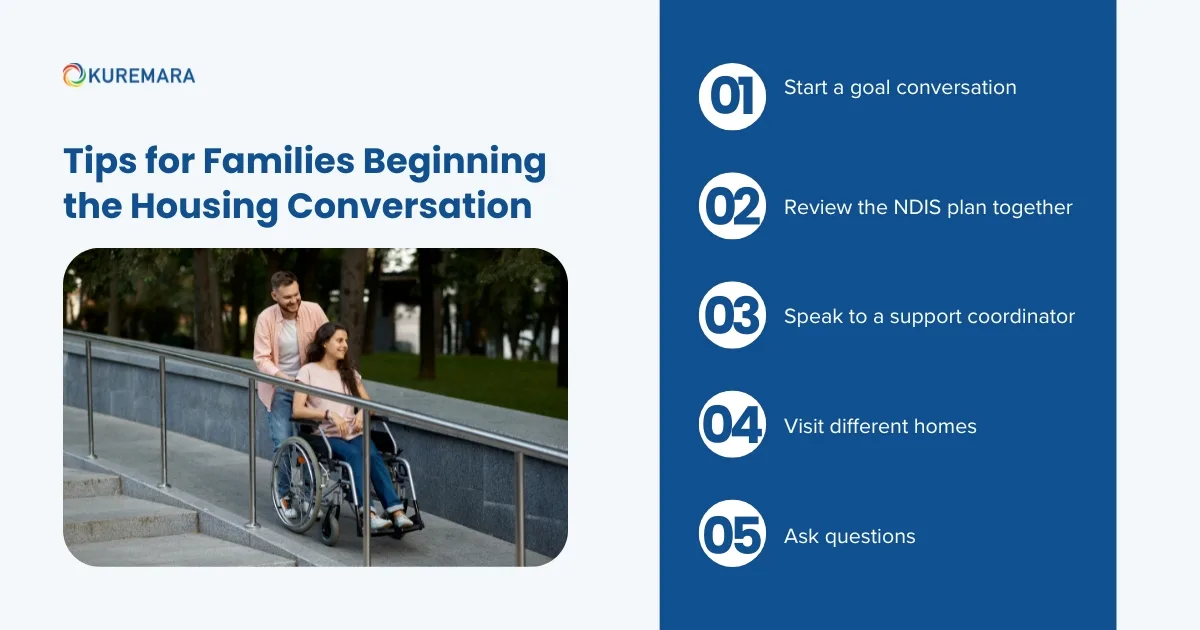
1. Start a goal conversation. Talk with your loved one about what an ideal home looks and feels like to them.
2. Review the NDIS plan together. Look for goals related to independence, daily living, and community participation.
3. Speak to a support coordinator. They can help connect you with appropriate housing assessments.
4. Visit different homes. Where possible, tour properties to get a real feel for the environment.
5. Ask questions. A good provider welcomes every question no matter how big or small.
Final Thoughts
Choosing NDIS-approved housing is a significant step, but it’s one that can transform daily life for participants and their families. From independence and accessibility to community inclusion and peace of mind, the benefits are wide-ranging and deeply personal.
If your family is exploring NDIS housing options whether in Sydney, Melbourne, Brisbane, regional New South Wales, or anywhere across Australia the Kuremara team is here to listen, guide, and walk with you every step of the way. Because finding the right home isn’t just about a building. It’s about creating the conditions for a full, connected, and meaningful life.