care@kuremara.com.au
 1300 000 799

Navigating the NDIS can often feel like learning a new language. Between “Reasonable and Necessary” criteria and various budget categories, many participants and families are left wondering exactly what supports they can access to live more independently.
Understanding how NDIS covers physiotherapy is essential for ensuring the best outcomes for participants. Physiotherapy can help individuals regain mobility, manage pain, and increase independence. By knowing how to navigate the NDIS system, you can access the services you need. Kuremara, as an NDIS-registered provider, is dedicated to ensuring that participants have access to high-quality physiotherapy and other disability support services across Australia.
This guide is designed for NDIS participants, families, carers, and support coordinators who are looking to understand how physiotherapy is covered under the NDIS. If you are seeking NDIS support or disability services through a Registered NDIS Provider like Kuremara, this guide will provide the clarity you need.
Does the NDIS cover physiotherapy?
At Kuremara, we are dedicated to helping NDIS participants across Australia unlock their full potential. One of the most frequent questions our support team receives is: Does the NDIS cover physiotherapy?
Yes, the NDIS does cover physiotherapy. Funding is primarily allocated under the Capacity Building budget category, specifically under Improved Daily Living. As a registered NDIS provider, Kuremara ensures that your physiotherapy supports are aligned with the “reasonable and necessary” criteria, meaning they must directly relate to your disability and help you achieve the functional goals outlined in your NDIS plan.
What Is Physiotherapy?
Physiotherapy is a healthcare profession that focuses on movement, musculoskeletal health, and rehabilitation. Physiotherapists use hands-on techniques, exercise, and equipment to help individuals recover from injury, improve physical function, and prevent future injuries.
Any NDIS participant with physical impairments or those recovering from injury, surgery, or illness may benefit from physiotherapy. This includes individuals with conditions such as cerebral palsy, stroke, multiple sclerosis, or orthopedic conditions.
Common Conditions Treated With Physiotherapy
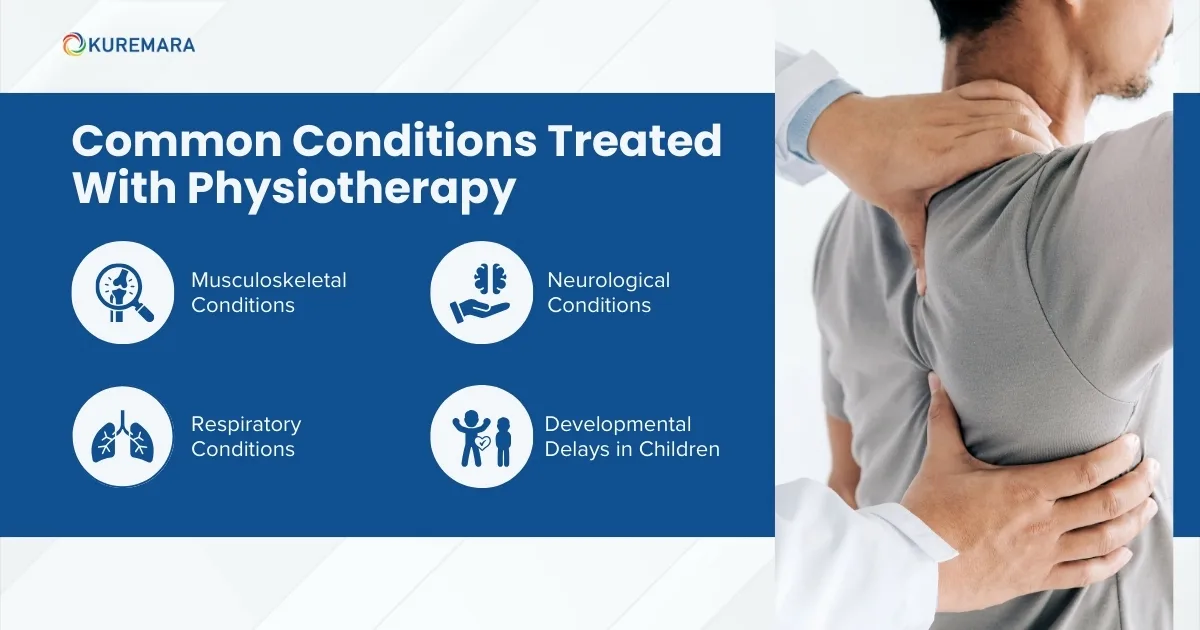
1. Musculoskeletal Conditions – These include joint pain, ligament injuries, and back pain.
2. Neurological Conditions – Physiotherapy helps manage movement issues related to conditions like stroke, Parkinson’s disease, or spinal cord injuries.
3. Respiratory Conditions – Conditions like chronic obstructive pulmonary disease (COPD), asthma, or cystic fibrosis can benefit from physiotherapy treatments targeting the respiratory system.
4. Developmental Delays in Children – Physiotherapists help children with delayed motor skills or developmental disabilities.
Overview of the NDIS
The NDIS is an Australian government initiative that provides financial support to individuals living with permanent disabilities. It helps people access services like physiotherapy, daily living assistance, and home modifications.
Key Principles of NDIS Funding
The National Disability Insurance Agency (NDIA) doesn’t fund any health service; it must meet 6 specific criteria under Section 34 of the NDIS Act. For physiotherapy to be covered, it must:
1. Assist in achieving your goals: (e.g., “I want to walk to the shops independently”).
2. Facilitate social or economic participation: Helping you join the workforce or community activities.
3. Represent value for money: The cost must be reasonable compared to the benefits.
4. Be effective and beneficial: Based on evidence and best practices.
5. Not replace informal supports: It shouldn’t replace care usually provided by family or friends.
6. Be most appropriately funded by NDIS: Not by Medicare or the public hospital system.
How NDIS Plans Are Structured & Cover Physiotherapy
Physiotherapy usually falls under one of these “buckets”:
- Capacity Building – Improved Daily Living: This is the most common category. It focuses on assessment, training, and therapy to help you build skills for independence.
- Core Support – Assistance with Daily Life: Used for “maintenance” therapy or when physio is essential for daily functioning and preventing regression.
- Capital Support: While this doesn’t pay for the therapist’s time, it funds the Assistive Technology (wheelchairs, walking frames) that a physio may prescribe.
NDIS and Physiotherapy: What Is Eligible?

1. Evidence-Based Clinical Physiotherapy Services
NDIS funds physiotherapy that provides evidence-based treatments. The service should address specific functional impairments or be part of a therapy plan.
2. Goal-Linked Therapy
Physiotherapy services must support the goals in the participant’s NDIS plan. These goals should be measurable and achievable (e.g., improving walking distance or reducing pain).
3. Reasonable & Necessary Support Criteria
Supports must be reasonable and necessary, meaning the service is required to assist the participant with disability-related needs and should be cost-effective.
4. Must Be in the Participant’s Plan
If physiotherapy is not included in your NDIS plan, you must request a plan review to add it. Kuremara can assist you in requesting a plan review and ensuring that physiotherapy services are appropriately included.
Examples of Covered Physiotherapy
* Pain Management
Physiotherapy helps with managing pain from musculoskeletal or neurological conditions through treatments like stretching, strengthening exercises, and therapeutic massage.
* Strength and Mobility Training
Therapists help improve strength and mobility, helping individuals regain independence and reduce reliance on others.
* Falls Prevention
Physiotherapy for falls prevention is especially beneficial for individuals with balance issues or muscle weakness.
* Post-Surgery Rehabilitation
Physiotherapy supports recovery after surgeries such as hip replacements or spinal surgeries.
When NDIS May Not Cover Physiotherapy
a. If It’s Not Linked to Functional Improvement
Physiotherapy won’t be funded if it doesn’t directly contribute to functional improvement (i.e., it doesn’t help individuals live more independently or achieve NDIS goals).
b. If It’s Considered Mainstream Health
NDIS will not fund services like general physiotherapy that are already covered by Medicare or private health insurance.
c. If It’s Redundant or Duplicative
If a participant is already receiving similar services elsewhere (e.g., from a healthcare provider), NDIS won’t duplicate the service.
Example: Private Health Fund vs NDIS
If you have private health insurance that covers physiotherapy, the NDIS may not fund additional sessions unless they are specifically required for a disability-related need.
Related Budget Categories
Where Physiotherapy Fits in the NDIS Plan
Physiotherapy services generally fall under Capacity Building Supports in your plan. This section covers services aimed at building the participant’s abilities and improving independence.
1. Capacity Building Supports
Capacity building services include physiotherapy, designed to help participants improve their skills and independence.
2. Core Supports (When Applicable)
Some physiotherapy services may be funded under Core Supports if they’re needed to assist with daily living activities.
3. Capital Supports
In rare cases, assistive technologies or mobility devices for physiotherapy may fall under Capital Supports.
How Physiotherapy Is Budgeted
Your plan manager will allocate a portion of your funding for physiotherapy based on your needs, goals, and reasonably necessary criteria. Kuremara can help you manage your physiotherapy budget effectively to ensure maximum benefit.
If you are plan-managed or self-managed, you have more flexibility to choose your physiotherapist and manage payments. Kuremara offers assistance with plan management to ensure smooth access to physiotherapy services.
Physiotherapy for Children vs Adults
* Early Intervention for Children
Physiotherapy is crucial for children with developmental disabilities or motor delays. Early intervention programs can help children develop vital motor skills.
* Support for Adults With Chronic Conditions
Adults with chronic conditions such as arthritis or neurological disorders can benefit from physiotherapy to manage symptoms and improve quality of life.
* School-Based Physiotherapy
In some cases, physiotherapy may be required in school settings for children with disability-related needs, focusing on enhancing physical function to help them engage in school activities.
How to Include Physiotherapy in Your NDIS Plan
a. Preparing for the Planning Meeting
Before your NDIS planning meeting, gather evidence from your GP or other healthcare providers to support your need for physiotherapy. Kuremara can assist in preparing all necessary documentation and evidence for your meeting.
b. Writing Therapy Goals That Get Approved
Your physiotherapy goals should focus on functional independence, such as:
- Improving walking ability
- Managing chronic pain
- Regaining mobility post-surgery
c. Supporting Evidence & Reports
Include relevant medical reports, therapist assessments, and any supporting documentation that shows the need for physiotherapy to achieve your NDIS goals.
Tips From Allied Health Professionals
Work closely with your physiotherapist to ensure your goals are well-defined and align with NDIS criteria.
Types of Physiotherapy Services Under NDIS
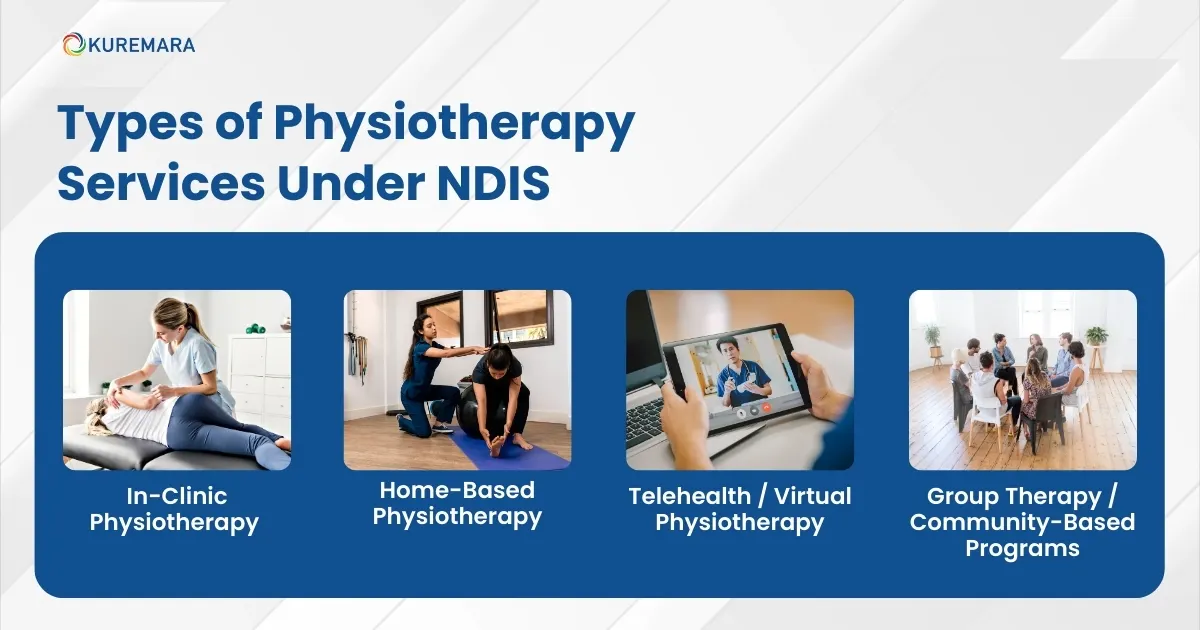
1. In-Clinic Physiotherapy – Involves face-to-face consultations in a clinic setting, ideal for hands-on treatment and tailored exercises.
2. Home-Based Physiotherapy – Involves a physiotherapist visiting the participant’s home to provide treatment, especially beneficial for individuals with mobility issues.
3. Telehealth / Virtual Physiotherapy – Telehealth allows physiotherapy services to be provided via video conferencing for consultations, making it convenient for participants in remote or rural areas.
4. Group Therapy / Community-Based Programs – Group physiotherapy sessions can be funded when they help participants achieve common goals, such as building strength or improving mobility.
Choosing a Physiotherapist
Registered & NDIS-Approved Providers
It’s important to choose a physiotherapist who is NDIS-registered. They should be experienced in treating disability-related needs and familiar with NDIS funding and processes.
What to Ask Before You Start
- Are you NDIS-registered?
- What experience do you have treating my specific condition?
- What is the expected outcome of this physiotherapy program?
Ensure that your physiotherapist has the appropriate qualifications and experience in handling your specific condition or support needs.
Conclusion
NDIS does cover physiotherapy services, but only when it aligns with goals and needs. Make sure your treatment is linked to your disability-related goals. As an NDIS-registered provider, Kuremara can help you navigate the process and ensure you access the services you need.
Work with your physiotherapist and Kuremara’s support team to ensure physiotherapy services are included in your plan and meet the necessary criteria. We are here to guide you through every step of your journey.
Ready to start your NDIS physiotherapy journey? Reach out to Kuremara, a trusted Registered NDIS Provider, today and get the support you need to achieve your goals!
Common Questions About NDIS Physiotherapy
1. Is Physiotherapy Limited by Hours?
No, but NDIS funding will only cover reasonable and necessary sessions, typically limited by your plan.
2. What Happens If Funds Run Out?
If you run out of funds for physiotherapy, you can request a plan review to allocate more funds for essential services.
3. Can I Change My Physiotherapy Goals?
Yes, you can update goals in your plan reviews to include new physiotherapy needs.
4. Does NDIS Cover Gym or Equipment Costs?
NDIS will fund equipment like mobility aids but may not cover gym memberships unless it’s related to achieving a specific NDIS goal.
5. Are Family or Carer Training Sessions Funded?
In some cases, training for carers may be funded if it’s needed to support the participant’s therapy goals.